The Dune Sketchbook (Music From The Soundtrack)

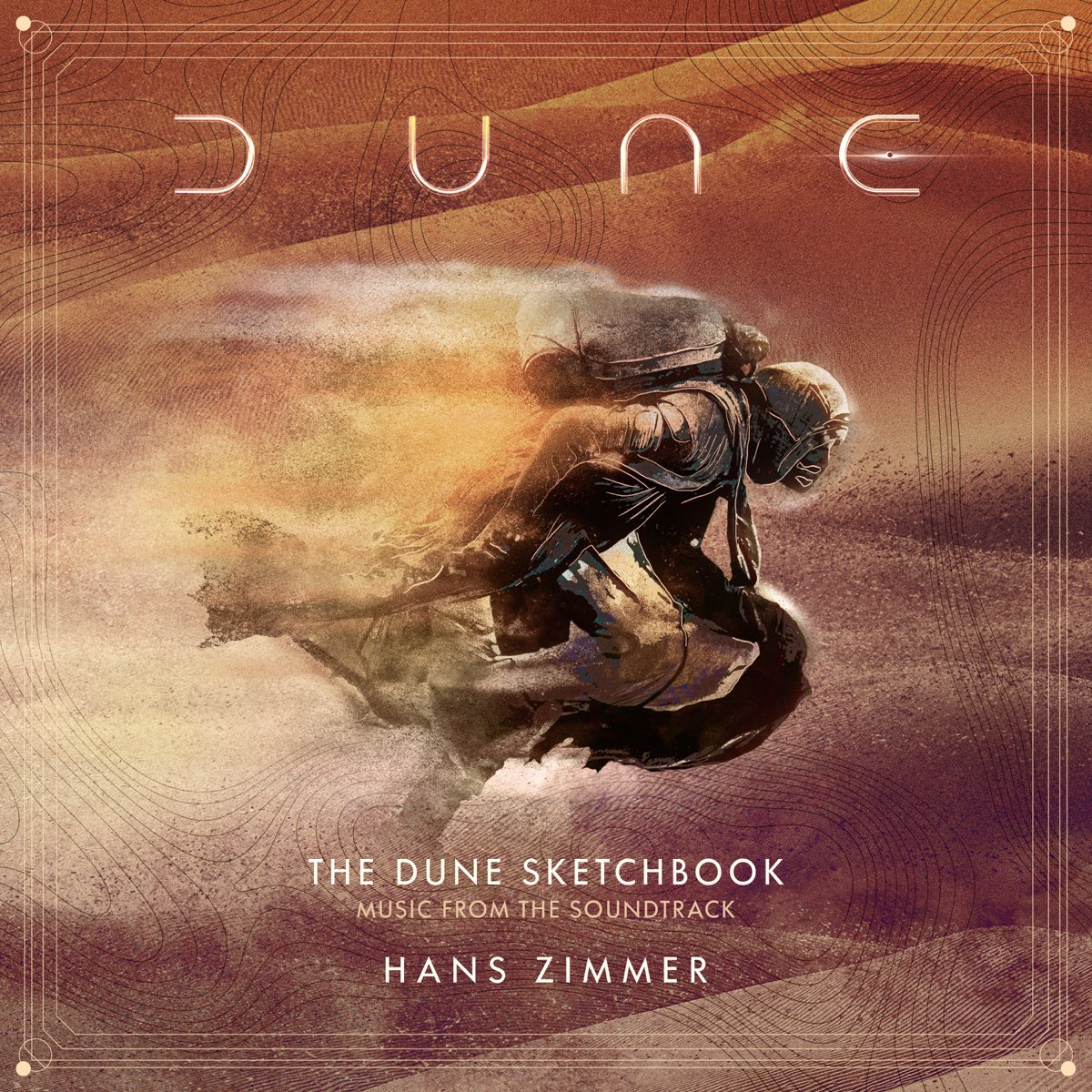
The world of Dune, meticulously crafted by Frank Herbert, extends far beyond the pages of his iconic novels. It's a universe of complex politics, intricate ecologies, and profound philosophical themes, all interwoven into a tapestry of human drama on a cosmic scale. For decades, fans have immersed themselves in Arrakis, the desert planet of immense importance, through the books, films, and games that bring Herbert's vision to life. Each adaptation, each interpretation, adds another layer to this rich and ever-expanding saga.
But truly capturing the essence of Dune, the vastness of its landscapes and the weight of its lore, requires more than just visuals and narrative. It demands an auditory experience, a soundscape that transports the listener to the heart of the desert, to the edge of the known universe. This is where the musical scores of Dune truly shine, adding an essential dimension to the storytelling and allowing audiences to feel the power of the Bene Gesserit, the ferocity of the Fremen, and the overwhelming presence of the sandworms.
The challenge for any composer tasked with scoring Dune is immense. It's not simply about creating background music; it's about crafting an atmosphere, a mood, a sonic representation of an entire civilization. The music must be both alien and familiar, grand and intimate, reflecting the duality of Arrakis itself: a harsh and unforgiving environment that is also the source of immense power and profound spiritual significance.
The recent adaptations of Dune have achieved remarkable success in bringing this musical vision to life. The scores are not merely accompaniments to the visuals; they are integral components of the narrative, contributing to the emotional impact and the overall sense of immersion. They are pieces of art in their own right, capable of evoking the vastness of space, the desolation of the desert, and the hopes and fears of the characters who inhabit this extraordinary universe.
This brings us to an exploration of the music itself, specifically **The Dune Sketchbook (Music From The Soundtrack)**, a fascinating glimpse into the creative process behind the sonic landscape of Dune. It offers a unique perspective on the evolution of the score, revealing the themes, motifs, and experiments that ultimately shaped the final product. Let's delve deeper into this captivating musical journey.
The Genesis of a Soundscape: Conception and Initial Ideas
Early Explorations and Experimentation
The creation of a film score, especially for a project as ambitious as Dune, is a journey of constant experimentation. Composers often begin by exploring a wide range of sounds, textures, and instruments, searching for the perfect sonic palette to represent the world and characters. This early stage is crucial in setting the overall tone and establishing the musical identity of the film.
For **The Dune Sketchbook (Music From The Soundtrack)**, this exploration involved delving into unusual instruments, vocal techniques, and sound design elements. The aim was to create a sound that felt both ancient and futuristic, reflecting the unique blend of technology and tradition that defines the Dune universe. The use of non-traditional instruments and experimental recording techniques played a significant role in achieving this effect.
Think about it: the landscapes of Arrakis are so different from anything on Earth. The music needed to evoke that sense of alien vastness. This wasn't about simply creating catchy melodies; it was about constructing an entire auditory world.
The composers had to essentially create a new musical language for Dune. This required a willingness to break from conventional approaches and embrace the unknown.
The sketchbook format allowed for a more intimate and revealing look at these early explorations. It offered a glimpse into the creative process, showcasing the raw ideas and experiments that ultimately shaped the final score.
Character Themes: Defining the Players Through Music
One of the key functions of a film score is to define the characters and their motivations. Each character often has a unique theme or motif that represents their personality, their struggles, and their place in the story. These themes can evolve and change throughout the film, reflecting the character's growth and development.
In **The Dune Sketchbook (Music From The Soundtrack)**, we can hear the early iterations of these character themes. These early versions provide insight into the composer's initial impressions of the characters and how they envisioned their musical representation.
Imagine the theme for Paul Atreides, the protagonist of Dune. It needed to convey his innocence, his potential, and the immense burden placed upon his young shoulders. His theme likely evolved from a simple melody into a more complex and powerful composition as he embraced his destiny.
Or consider the theme for House Harkonnen, the ruthless and brutal adversaries of House Atreides. Their music would likely be dark, menacing, and dissonant, reflecting their cruel nature and their thirst for power.
The development of these character themes is a crucial aspect of the scoring process, and the sketchbook provides a valuable glimpse into this evolution.
Atmospheric Soundscapes: Creating the World of Arrakis
Beyond characters, the environment itself plays a crucial role in Dune. Arrakis is not merely a backdrop; it's a character in its own right, shaping the lives and destinies of all who inhabit it. Therefore, the music needed to capture the unique atmosphere of the desert planet.
The sketchbook reveals how the composers experimented with different sounds to evoke the vastness, the desolation, and the hidden dangers of Arrakis. The use of ambient sounds, drones, and textures played a key role in creating this immersive soundscape.
Think of the sound of the wind whistling across the dunes, or the subtle vibrations of the sandworms beneath the surface. These sounds, combined with the music, create a sense of unease and tension, reflecting the constant threat that permeates life on Arrakis.
The music also needed to capture the beauty and the mystery of the desert. The vast starry skies, the ancient ruins, and the spiritual significance of Arrakis all contribute to its unique atmosphere.
The creation of this atmospheric soundscape was a complex and challenging task, and the sketchbook provides valuable insights into the techniques and approaches used by the composers.
Unveiling the Instrumentation: Unique Sounds of Dune
Beyond Traditional Orchestral Instruments
While traditional orchestral instruments undoubtedly play a role in the Dune score, it's the incorporation of less conventional instruments that truly sets it apart. These instruments contribute to the unique and otherworldly sound of the music, reflecting the alien landscapes and cultures of the Dune universe.
The **The Dune Sketchbook (Music From The Soundtrack)** likely showcases some of the experimentation with these unique instruments, offering a glimpse into the composer's search for the perfect sounds to represent Dune. Instruments like the duduk, the hurdy-gurdy, and various types of ethnic percussion can add a distinct flavor and texture to the score.
Imagine the sound of a duduk, its mournful and haunting tone perfectly capturing the desolation of the desert. Or the rhythmic drone of a hurdy-gurdy, evoking the ancient traditions and rituals of the Fremen.
These instruments are not merely used for their exotic sounds; they are carefully integrated into the overall musical fabric, adding depth and complexity to the score.
The sketchbook provides an opportunity to appreciate the ingenuity and creativity of the composers in their selection and use of these unique instruments.
Vocal Techniques: Harnessing the Power of the Human Voice
The human voice is a powerful instrument, capable of expressing a wide range of emotions and conveying complex ideas. In the Dune score, vocal techniques are used to create a sense of mystery, spirituality, and otherworldly power.
The use of chanting, throat singing, and other vocal styles can add a distinct and evocative quality to the music. These techniques can be used to represent the Bene Gesserit, the Fremen, or other groups with unique cultural traditions.
Imagine the sound of the Bene Gesserit chanting, their voices resonating with power and ancient knowledge. Or the guttural tones of throat singing, evoking the harshness and the resilience of the desert environment.
The sketchbook likely contains examples of these vocal experiments, showcasing the composer's exploration of the human voice as a tool for creating atmosphere and conveying meaning.
The effective use of vocal techniques can elevate the score to another level, adding a layer of depth and emotional resonance.
Sound Design: Crafting the Auditory Landscape
Sound design plays a crucial role in creating the overall auditory experience of a film. It involves the creation and manipulation of sound effects to enhance the realism and the emotional impact of the visuals. In Dune, sound design is used to create the unique and immersive soundscape of Arrakis.
The **The Dune Sketchbook (Music From The Soundtrack)** might offer some insight into the sound design elements that were incorporated into the score. This could include the sounds of wind, sand, machinery, and other environmental effects.
Imagine the sound of the sandworms, their immense size and power conveyed through a combination of synthesized sounds and natural recordings. Or the whirring and clicking of the ornithopters, the flying machines used for transportation on Arrakis.
These sound design elements are carefully integrated with the music to create a seamless and immersive auditory experience. The goal is to transport the audience to Arrakis, allowing them to feel the heat of the sun, the grit of the sand, and the constant threat of the desert.
The sketchbook may reveal the techniques and approaches used by the sound designers to create these unique and evocative sounds.
Themes and Motifs: Weaving a Musical Narrative
Recurring Melodies: Establishing Musical Signatures
Recurring melodies, or motifs, are essential tools in film scoring. They act as musical signatures, representing specific characters, locations, or ideas. These motifs can be subtly woven throughout the score, creating a sense of continuity and reinforcing the narrative themes.
In **The Dune Sketchbook (Music From The Soundtrack)**, we can expect to find the early iterations of these recurring melodies. These initial sketches provide insight into the composer's intentions and how they planned to use these motifs to connect the different elements of the story.
For example, the theme for House Atreides might be a noble and heroic melody, reflecting their sense of duty and their commitment to justice. This theme could be heard in various forms throughout the film, representing their presence and their influence.
The theme for Arrakis itself might be a more ambiguous and complex melody, reflecting the planet's beauty, its danger, and its spiritual significance. This theme could be heard in different variations, depending on the context and the emotions being conveyed.
The sketchbook offers a valuable opportunity to analyze these recurring melodies and understand their role in shaping the musical narrative.
Thematic Development: Tracking Character Arcs
Just as characters evolve and change throughout a story, their musical themes can also undergo development. This thematic development can reflect the character's growth, their struggles, and their ultimate destiny. By modifying the melody, harmony, or instrumentation of a character's theme, the composer can subtly convey their emotional journey.
The sketchbook might reveal how the composers experimented with different variations of the character themes, exploring how they could be adapted to reflect the characters' changing circumstances. This could involve adding new harmonies, changing the tempo, or introducing new instrumental textures.
For example, Paul Atreides' theme might start as a simple and innocent melody, but gradually become more complex and powerful as he embraces his destiny as Muad'Dib. This transformation could be reflected in the music through the addition of new harmonies, the use of more dramatic instrumentation, and a faster tempo.
Thematic development is a powerful tool for conveying character arcs, and the sketchbook provides a glimpse into the composer's process of crafting these musical transformations.
Symbolism and Subtext: Hidden Meanings in Music
Music can be used to convey symbolism and subtext, adding layers of meaning to the story that may not be immediately apparent. The composer can use specific musical techniques, such as dissonance, harmony, and instrumentation, to suggest hidden meanings and foreshadow future events.
**The Dune Sketchbook (Music From The Soundtrack)** could potentially offer clues to the hidden meanings embedded in the score. This could involve analyzing the use of specific musical intervals, the choice of instruments, or the overall structure of the compositions.
For example, the use of dissonance might suggest conflict or unease, while the use of major keys might convey hope and optimism. The choice of instruments can also be symbolic, with certain instruments representing specific characters, cultures, or ideas.
By analyzing the symbolism and subtext in the music, we can gain a deeper understanding of the themes and ideas explored in Dune.
The sketchbook provides a unique opportunity to uncover these hidden layers of meaning and appreciate the composer's artistry in crafting a musically rich and complex score.
Orchestration and Arrangement: Bringing the Music to Life
From Sketch to Score: The Orchestration Process
Orchestration is the art of assigning musical ideas to specific instruments within an orchestra. It's a crucial step in the scoring process, as it determines the overall sound and texture of the music. A skilled orchestrator can bring a composer's sketches to life, adding depth, color, and emotional impact to the score.
The **The Dune Sketchbook (Music From The Soundtrack)** provides a unique window into the orchestration process, allowing us to see how the composer's initial ideas were transformed into a fully realized orchestral score. This could involve examining the instrumentation, the arrangement of the different parts, and the overall balance of the sound.
The sketchbook might reveal how the composers experimented with different combinations of instruments, searching for the perfect blend of sounds to represent the different elements of Dune. This could involve using strings to create a sense of grandeur, brass to convey power and authority, and woodwinds to evoke mystery and intrigue.
The orchestration process is a complex and collaborative effort, involving the composer, the orchestrator, and the conductor. The sketchbook provides a glimpse into this creative collaboration.
Layering and Textures: Creating Depth and Complexity
The use of layering and textures is essential for creating a rich and complex soundscape. By layering different instruments and sounds on top of each other, the composer can create a sense of depth and atmosphere. Different textures can be used to evoke different emotions and to represent different aspects of the story.
The sketchbook might showcase the different layers and textures that were incorporated into the Dune score. This could involve analyzing the use of drones, ambient sounds, and melodic lines to create a sense of depth and atmosphere. The textures could range from the harsh and gritty sounds of the desert to the smooth and ethereal sounds of the Bene Gesserit.
The layering of different elements can create a sense of tension and unease, while the use of sparse textures can convey a sense of desolation and isolation.
The sketchbook offers a valuable opportunity to appreciate the artistry of the composers in their use of layering and textures to create a musically rich and immersive experience.
Dynamic Range: Controlling the Emotional Intensity
Dynamic range refers to the difference between the loudest and softest parts of a piece of music. A wide dynamic range can be used to create a sense of drama and emotional intensity, while a narrow dynamic range can create a sense of intimacy and restraint. The composer can carefully control the dynamic range of the score to guide the audience's emotions and to emphasize key moments in the story.
The **The Dune Sketchbook (Music From The Soundtrack)** could provide insights into the composer's use of dynamic range to control the emotional intensity of the score. This could involve analyzing the use of crescendos and decrescendos to build tension and release, or the use of sudden dynamic shifts to create a sense of surprise and shock.
For example, a sudden crescendo might be used to emphasize a dramatic moment in the story, such as a battle scene or a revelation. A gradual decrescendo might be used to create a sense of peace and tranquility after a period of conflict.
The skillful use of dynamic range can elevate the score to another level, adding a layer of emotional depth and complexity.
The Composer's Vision: Intentions and Influences
Musical Influences: Exploring Inspiration
Every composer draws inspiration from a variety of sources, whether it's classical music, world music, film scores, or even natural sounds. Understanding these influences can provide valuable insights into the composer's creative process and the overall aesthetic of the score.
The **The Dune Sketchbook (Music From The Soundtrack)** might reveal some of the musical influences that shaped the composer's vision for Dune. This could involve examining the use of specific musical styles, techniques, or instruments that are reminiscent of other composers or cultures.
For example, the composer might have been influenced by the works of classical composers such as Gustav Holst or Richard Wagner, known for their epic and dramatic orchestral scores. Or they might have drawn inspiration from the traditional music of the Middle East or North Africa, reflecting the cultural influences of the Dune universe.
By identifying these musical influences, we can gain a deeper understanding of the composer's creative process and the overall aesthetic of the score.
Conceptual Framework: Setting the Stage
Before even beginning to compose, many composers develop a conceptual framework for the score. This framework defines the overall tone, style, and emotional palette of the music. It serves as a guide throughout the scoring process, ensuring that the music remains consistent with the overall vision of the film.
The sketchbook could offer insights into the composer's conceptual framework for the Dune score. This could involve examining the composer's notes, sketches, and early drafts of the music, revealing their intentions and their overall vision for the project.
For example, the composer might have decided to create a score that is both epic and intimate, reflecting the vastness of the Dune universe and the personal struggles of the characters who inhabit it. Or they might have aimed to create a score that is both ancient and futuristic, reflecting the unique blend of technology and tradition that defines the Dune culture.
Understanding the composer's conceptual framework can help us to appreciate the overall cohesion and artistic integrity of the score.
Collaboration with the Director: A Shared Vision
The creation of a film score is a collaborative process, involving the composer, the director, and other members of the filmmaking team. The composer works closely with the director to understand their vision for the film and to create music that enhances the emotional impact and the overall storytelling.
The **The Dune Sketchbook (Music From The Soundtrack)** might provide some insight into the collaboration between the composer and the director on Dune. This could involve examining their discussions, their shared ideas, and their mutual goals for the music.
The director might have provided the composer with specific instructions or suggestions, such as the type of music they wanted, the emotions they wanted to evoke, or the specific instruments they wanted to use. The composer would then use their own creativity and expertise to bring the director's vision to life.
The success of a film score often depends on the strength of the collaboration between the composer and the director.
Reception and Legacy: Impact of the Music
Critical Acclaim and Awards: Recognizing Excellence
A successful film score can garner critical acclaim and prestigious awards, recognizing the composer's artistry and the impact of the music on the overall film. These accolades can elevate the composer's career and contribute to the lasting legacy of the film.
The reception to **The Dune Sketchbook (Music From The Soundtrack)** and the overall score can be measured by its awards and reviews. A positive reception can indicate the success of the composer in capturing the essence of Dune and creating a musically compelling experience.
Awards such as the Academy Award for Best Original Score or the Golden Globe Award for Best Original Score are highly coveted and represent the pinnacle of achievement in film music.
Critical acclaim from respected film critics and music reviewers can also contribute to the recognition and appreciation of the score.
Fan Engagement: A Lasting Connection
The impact of a film score extends beyond critical acclaim and awards. The connection that fans feel with the music can be a powerful testament to its lasting legacy. Fans may listen to the score repeatedly, create their own interpretations of the music, or even use it as inspiration for their own creative projects.
Fan engagement with the Dune score can be measured by the number of streams, downloads, and social media mentions it receives. The creation of fan-made videos, remixes, and covers can also indicate the lasting impact of the music.
The music of Dune has resonated with fans around the world, creating a sense of community and shared appreciation for the film and its score.
Influence on Future Composers: Shaping the Future
A truly groundbreaking film score can influence future generations of composers, inspiring them to push the boundaries of musical creativity and to explore new and innovative approaches to scoring. The Dune score has the potential to be one of those scores, leaving a lasting mark on the world of film music.
The influence of the Dune score can be seen in the works of other composers who have incorporated similar musical styles, techniques, or instruments into their own scores. The use of unusual instruments, experimental sound design, and thematic development can all be attributed to the influence of the Dune score.
By pushing the boundaries of musical creativity, the Dune score has helped to shape the future of film music and to inspire new generations of composers.
Conclusion: Further Explorations in Sound
Exploring **The Dune Sketchbook (Music From The Soundtrack)** offers a fascinating glimpse into the world of film scoring, and specifically, the challenges and triumphs of bringing the soundscape of Dune to life. From the initial explorations and experimentation to the final orchestration and arrangement, the process is a complex and collaborative endeavor that requires both technical skill and artistic vision.
The resulting score is not merely background music; it's an integral component of the storytelling, adding depth, emotion, and atmosphere to the film. The use of unique instruments, vocal techniques, and sound design elements creates a truly immersive experience, transporting the audience to the alien landscapes of Arrakis.
The themes and motifs woven throughout the score create a sense of continuity and reinforce the narrative themes, while the dynamic range and emotional intensity guide the audience's emotions and emphasize key moments in the story.
The legacy of the Dune score extends beyond critical acclaim and awards. The lasting connection that fans feel with the music is a testament to its power and its enduring impact on the world of film music.
If you found this exploration of the Dune soundtrack intriguing, we invite you to check out our other articles delving into the art of film scoring and the musical landscapes of other iconic movies and television shows. There's always more to discover in the fascinating world of sound!
- Prologue
- Grains of Sand
- Blessing the Sleeper
- Spice
- Bene Gesserit
- Ornithopter
- Stillgar
- Walk Without Rhythm
- Arrakeen